by Nancy Butler

up in tatters by spring. Learn how to repair your winter blanket with these
tips.
If you blanket your horse during the winter, you already know the reality: that cozy layer quickly becomes a target. To your horse and his pasture buddies, a blanket is extra padding during a game of tag, something to tug on during mutual grooming, or the unfortunate victim of a well-placed nip.
By spring, what started as a sturdy winter turnout sheet can look more like a battlefield casualty. And replacing blankets year after year can take a serious bite out of your budget.
The good news? You don’t have to toss a torn blanket. With a little know-how—and a few basic tools—you can extend its life and save yourself hundreds of dollars.
Here’s how.
Step 1: Start With a Clean Blanket
Before making any repairs, wash the blanket thoroughly.
First, remove as much embedded hair as possible. A stiff brush works, but a circular metal curry comb is even better—just use a light touch so the teeth don’t damage the fabric.
Skip your home washing machine. Heavy winter blankets are simply too bulky and can strain your equipment. Instead, head to a laundromat and use a large-capacity machine.
Important: Regular detergent can strip waterproofing. Use a mild soap or a product specifically designed for waterproof horse blankets, such as Nikwax or Rambo Blanket Wash. Once clean, hang the blanket over a fence or rail to air dry completely before starting repairs.
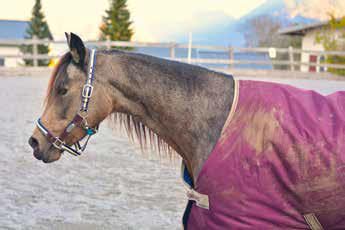
use a large machine at your local laundromat.
Step 2: Gather the Right Supplies
Blanket repair doesn’t require fancy tools, but it does require sturdy materials.
You’ll need:
- Heavy-duty thread (dental floss and fishing line work surprisingly well)
- A carpet needle or heavy sewing needle
- Heavyweight denim iron-on patches
- Pressure-sensitive repair tape
- Seam sealer
- Patch-and-glue kits (optional)
Camping supply stores are excellent sources for tent and sleeping bag repair patches and seam sealers—they work just as well on horse blankets.
Step 3: Patch Tears the Right Way
If the outer shell is ripped, you’ll need to “bridge the gap.”
You can purchase repair patches or cut a piece of durable fabric from an old blanket. Make the patch slightly larger than the tear. Fold under the raw edges and sew it securely over the damaged area.
Iron-on patches are another option. For extra durability, place one on both sides of the tear and stitch around the edges to reinforce it. Finish by applying seam sealer around the stitching to help restore waterproofing.
Most importantly, ensure the inside of the repair is smooth. Rough stitching or bulky patches can rub and irritate your horse’s skin.
Step 4: Replace Missing Straps and Hardware
Leg straps are often easy to replace—especially if your blanket was designed with removable ones. Chest straps and surcingles can be harder to source.
Pro tip: Before discarding an old, beyond-repair blanket, salvage the straps and hardware. Store them in a repair kit for future use.
When sewing straps back on:
- Use a carpet needle
- Thread it with dental floss or heavy waxed thread
- Reinforce the inside with a patch of heavy material
This extra layer distributes stress and prevents the strap from tearing loose again.
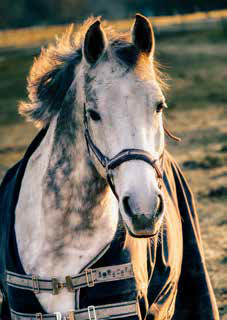
readily available, so before you throw
out shredded-beyond-repair blankets
or sheets, cut off any usable straps and
hardware to use for future blanket
repair.
Step 5: Use an Awl for Tough Jobs
Pushing a needle through thick nylon or leather can be tough on your hands—and your patience.
An awl (a leather-stitching tool commonly used for tack repair) makes the job much easier. It uses waxed thread and creates a strong locking stitch, ideal for reattaching surcingles and chest straps. It’s designed to follow existing holes in leather but works well for creating new paths in nylon straps, too.
Every barn should have one.
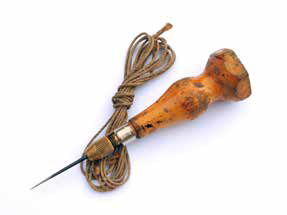
holes in leather, but they also work pretty well punching
new paths through nylon straps.
When to Call the Pros
Sometimes, the damage is simply beyond a DIY fix. If the blanket is heavily shredded or the repair requires extensive hardware replacement, consider professional repair services.
Many tack shops offer blanket-repair services, and independent sewing professionals often handle blanket repairs for a reasonable fee.
Save Money, Extend Life
Horse blankets endure rough play, rolling sessions, and winter weather. Since you can’t control pasture antics, learning basic blanket repair is a smart, budget-friendly skill.
With proper cleaning, sturdy materials, and thoughtful patching, you can give your winter blankets a second—or even third—season of life. Your wallet will thank you.