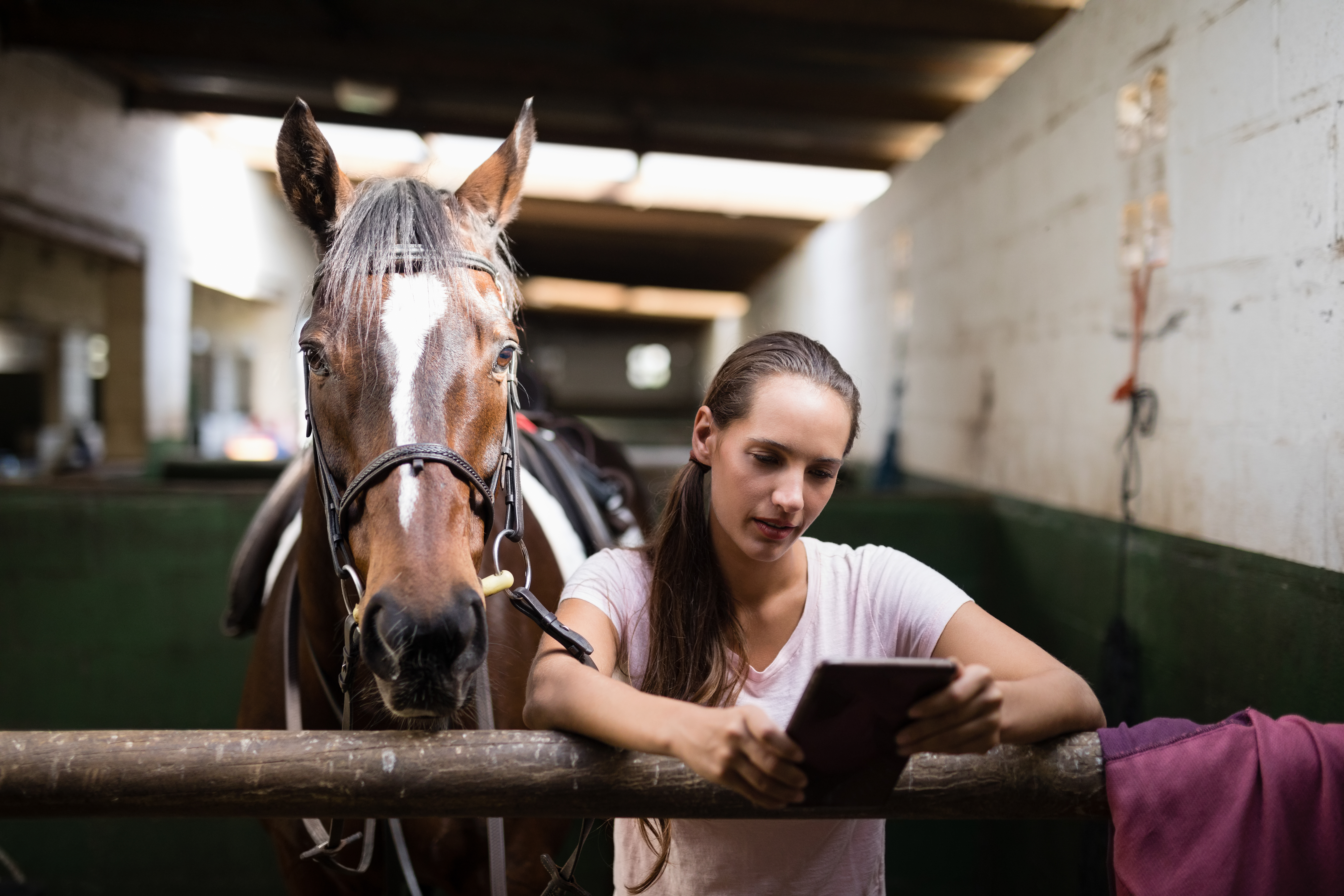
The holidays are a busy season for horse owners. Between family gatherings, holiday travel and year-end shows, many of us end up leaving our horses in someone else’s care just as the weather turns cold, wet and unpredictable. Even the most experienced horse sitter can’t read your mind, and the small details you handle without thinking—who to call, how much hay, which gelding needs his blanket when the temperature drops—are exactly the things that matter most when you’re not there.
The good news: a little preparation goes a long way. Before you leave, put together a written guide for your horse sitter and keep it somewhere easy to find, like a binder or clipboard hanging in the barn aisle or feed room. Here’s what to include so your sitter has everything they need to handle both the everyday routine and whatever fall and winter weather brings, and you can actually enjoy the holidays.
1. Your Contact Information
Start with the obvious: how to reach you. Leave a note in the barn spelling out the best way to contact you while you’re away, whether that’s a call, a text or a messaging app. Be specific. If you’ll be in a different time zone, out of cell range for part of the trip, or riding in a show ring with your phone in the trailer, say so.
It also helps to set expectations up front. Let your sitter know which situations warrant an immediate call (an injury, signs of colic, a loose horse) and which can wait for a quick end-of-day text update. A clear plan saves your sitter from second-guessing and saves you from unnecessary worry.
2. Veterinarian Contact
No one wants to think about an emergency, but if one happens, every minute counts. Provide your veterinarian’s name, clinic phone number and after-hours emergency line just in case something goes wrong. If your regular vet has a backup or partner practice that covers emergencies, include that information too.
Before you leave, consider calling your vet’s office to let them know you’ll be out of town and who will be caring for your horses. Some owners also leave written authorization for the sitter to approve treatment, along with a note on how payment should be handled. That way, care isn’t delayed while someone tries to track you down.
During the holidays, this step matters even more. Many clinics run on reduced hours around Thanksgiving, Christmas and New Year’s, so confirm your vet’s holiday schedule and note who covers emergencies on those days.
3. Emergency Contact
What happens if your sitter can’t reach you or your vet? That’s where a backup emergency contact comes in. Choose someone other than yourself or your veterinarian—a trusted friend, family member, neighbor or fellow boarder—who knows your horses and can help make decisions if neither of you is available.
Ideally, this person lives nearby and has some horse experience. Make sure they’ve agreed to the role and know your general wishes ahead of time, so they’re prepared to step in rather than caught off guard.
4. Feeding Instructions
Horses thrive on routine, and sudden changes to their diet can lead to digestive upset or colic. Make sure your horse sitter knows everything there is to know about feeding your horses, including:
- What each horse eats: the type and amount of grain, hay and any supplements or medications
- When to feed: set feeding times, and the order horses are fed if it matters
- Where everything is kept: feed, hay, supplements and buckets
- Water routines: how troughs and buckets are filled, cleaned and checked
- Special notes: soaked hay, slow feeders, a horse that needs to be fed separately, or treats that are off-limits
Pro tip: Leave feed and supplements pre-measured in labeled zipper-closed plastic bags, one bag per horse per feeding. It takes the guesswork out of portioning, reduces the chance of mix-ups, and lets you see at a glance that every meal was given. Leave a few extra bags in case of spills, or in case holiday travel delays or a winter storm keeps you away longer than planned.
5. Farrier Contact
It never fails: a horse always seems to pull a shoe the moment you leave town. Leave your farrier’s name and phone number so your sitter can get help quickly if one of your horses loses a shoe or develops a hoof problem while you’re away.
It’s also smart to note what your sitter should do in the meantime, such as keeping the horse in a stall or small paddock to protect the hoof, and where to find a hoof boot if you keep one on hand. If your horses are due for a trim or reset during your trip, try to schedule it before you go, since farriers’ calendars fill up fast before the holidays. If your horses are shod for winter with snow pads or borium, let your sitter know what to look for.
6. Horse Behaviors
You know your horses’ personalities better than anyone. Your sitter doesn’t. Give them a heads-up about each horse’s typical behavior so they can work safely and recognize when something is off. Consider sharing:
- Who is herd boss and who gets pushed around at feeding time
- Any horse that bites, kicks, crowds at the gate or is hard to catch
- Turnout and stall routines, including which horses go out together
- Normal quirks, like a mare who always paws at dinner or a gelding who rolls right after turnout
Most importantly, flag anything abnormal. If a horse has been off its feed, is recovering from an injury, or has a history of colic, tell your sitter what warning signs to watch for. Knowing what’s normal for each horse is what helps a sitter spot a problem early, before it becomes an emergency.
7. Fall and Winter Weather Plan
Cold snaps, ice storms, mud and short days all add work to the barn routine. Give your sitter a clear plan for the conditions they’re most likely to face.
Water: Horses tend to drink less when it’s cold, which raises the risk of impaction colic. Show your sitter how to use tank heaters and heated buckets, how to break ice if the power fails, and ask them to check water at every visit. Note how much each horse normally drinks so a drop-off is easy to spot.
Extra hay: Digesting forage is how horses stay warm. Tell your sitter how much extra hay to feed when temperatures drop or the wind picks up, and stock up before you leave in case a storm delays deliveries.
Blanketing: Spell out which horses get blanketed, which blanket to use at what temperature, and when to take them off. Ask your sitter to check for wet blankets, rubbing and overheating, and show them where spares are kept.
Shelter and turnout: Explain when horses should stay in, such as during ice, freezing rain or high winds, and when it’s fine to turn out. Point out any areas of the pasture that get dangerously slick or muddy.
Ice and snow: Leave sand, grit or barn-safe ice melt near walkways and gates. Mention that snow can ball up in hooves, and leave a hoof pick by the door. Muddy, wet conditions can also lead to thrush, rain rot and scratches, so ask your sitter to keep an eye on hooves and lower legs.
Power outages: Winter storms can knock out power. Note where flashlights, a generator or backup water are kept, and how to fill troughs by hand if the well pump goes down.
Shorter days: With early sunsets, evening chores often happen in the dark. Make sure barn and paddock lights work and leave a headlamp or flashlight in an easy-to-find spot.
Seasonal hazards: In the fall, remind your sitter to keep horses away from fallen acorns and wilted red maple leaves, both toxic to horses. Keep holiday greenery like yew and holly well out of reach, and give a heads-up about fireworks around New Year’s if any of your horses spook easily.
Enjoy the Holidays With Peace of Mind
A well-prepared horse sitter is a confident horse sitter, and that means healthier, happier horses while you’re gone. Spend an hour before your trip putting it all in writing, walk your sitter through the barn routine in person if you can, and leave the guide where it’s impossible to miss. Then check the forecast one more time before you go.