Hauling horses can be one of the most rewarding—and challenging—aspects of equestrian life. Over a lifetime of travel, one lesson becomes clear: preparation is everything. Whether you’re heading to a trail ride, a competition, or an overnight clinic, planning ahead keeps your horse safe, comfortable, and relaxed. Here are five essential considerations for a smooth hauling experience.
1. Observe Your Horse
Every horse travels differently. Some horses are calm and stand quietly, while others fidget, shake, or get hot and sweaty. Pay close attention to how your horse reacts in the trailer.
- Buddy Up: Horses often travel better with a companion, and having a friend drive can help with safety.
- Protective Gear: For nervous or inexperienced horses, standing wraps help protect legs from bumps and scrapes. On hot days or for short trips, wraps may not be necessary if the horse is relaxed.
- Shavings Check: Hoofprints in the bedding can reveal how restless your horse is—fewer prints generally indicate a calm traveler.
Observing your horse will help you adjust your driving, breaks, and protective measures to fit his needs.
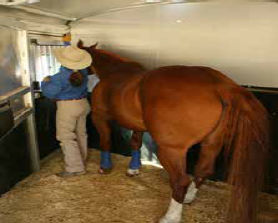
the rope that he can relax his head, but
not so long that he can turn his head
back behind him. He can catch a hoof
in a too-long lead rope, which can lead
to a serious injury.
2. Prepare Your Trailer
A well-prepared trailer keeps your horse comfortable and reduces stress during travel.
- Padding and Leaning Space: Slant-load trailers with padded walls let your horse rest against a surface, reducing fatigue. Stock-type trailers can tire a horse more quickly.
- Access for Feeding and Hydration: Windows or head access points make it easy to provide water and hay without offloading.
- Shavings: Use a thin layer to absorb urine and prevent slipping—too much can blow around and affect air quality.
- Ventilation: Keep air circulating without allowing your horse to stick his head out. Roof vents are ideal.
- Tying Safety: If you tie your horse, use a breakaway halter and a rope long enough for him to lower his head comfortably, but not so long that he can turn it back and risk injury.
Investing in a wireless trailer camera can also give peace of mind, letting you monitor your horse from the truck cab.
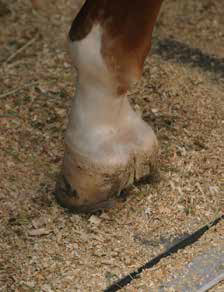
any urine and help prevent slips
and falls. If you use too much, they’ll
blow around and affect your horse’s air
quality.
3. Plan Your Drive Time
Consider how far you’ll travel, how many breaks you’ll take, and your horse’s condition upon arrival.
- Schedule Breaks: Plan to stop every two hours for 20–30 minutes to let your horse rest, check ventilation, and adjust blankets or wraps.
- Overnight Planning: For multi-day trips, reserve stabling in advance. Limit daily driving to around eight hours to avoid fatigue.
- Acclimation: If traveling to higher altitudes, allow at least 48 hours for your horse to rest and acclimate before a demanding ride.
- Arrival Routine: A short, leisurely walk upon arrival helps digestion, circulation, and muscle relaxation.
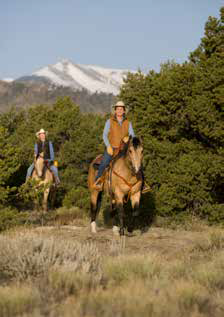
horse will need at least 48 hours to
rest and acclimate, especially if you’re
going on a mountain trail ride.
4. Feed and Water Considerations
Maintaining hydration and nutrition is crucial on long hauls.
- On-the-Road Feeding: If your trailer allows head access, use a haybag and water bucket during stops. Otherwise, feed after offloading.
- Bring Familiar Supplies: Horses are more likely to eat and drink from buckets and hay they recognize.
- Space Matters: Don’t overcrowd a slant-load trailer with haybags—your horse needs room to move and balance.
- Short Trips: Feed before travel so your horse isn’t distracted by hunger for the first hour or two. Provide water as soon as you arrive.
5. Offload Safely
While offloading during a break can seem helpful, it’s often safer to wait until a secure overnight facility.
- Avoid Unsafe Surfaces: Concrete or asphalt can be slippery.
- Know Your Horse: Only offload if you’re confident he will load again easily.
- Have Help: For multiple horses, make sure you have enough people to manage the herd safely.
- Don’t Train on the Road: Avoid practicing loading on busy highways—save training for familiar, secure areas.
With a bit of foresight and planning, hauling can become a stress-free experience for both horse and rider. Observing your horse, preparing your trailer, scheduling breaks, providing proper hydration and feed, and offloading safely are all key steps to keep your equine partner happy on the road. Proper preparation not only ensures safety but also makes each ride and adventure more enjoyable.