What if your property could practically manage itself? Native plants and animals — the ones that naturally belong in your region — can do a surprising amount of heavy lifting on a horse property, saving you time, money, and effort while reducing your environmental footprint. And as a bonus, a well-landscaped property with mature trees can actually increase your home’s value.
Here’s how going native works in your favor:
Tackle Mud and Dust Wet, muddy paddocks are a constant headache for horse owners. Water-loving native trees like willow, cottonwood, and Douglas fir (which can absorb up to 150 gallons of water per day) can help dry out problem areas naturally. Vegetated swales can redirect runoff before it ever reaches your paddock. On the flip side, a dense buffer of native evergreens and shrubs — at least 20 feet deep — can dramatically cut down on dust blowing from your arena onto neighboring properties.
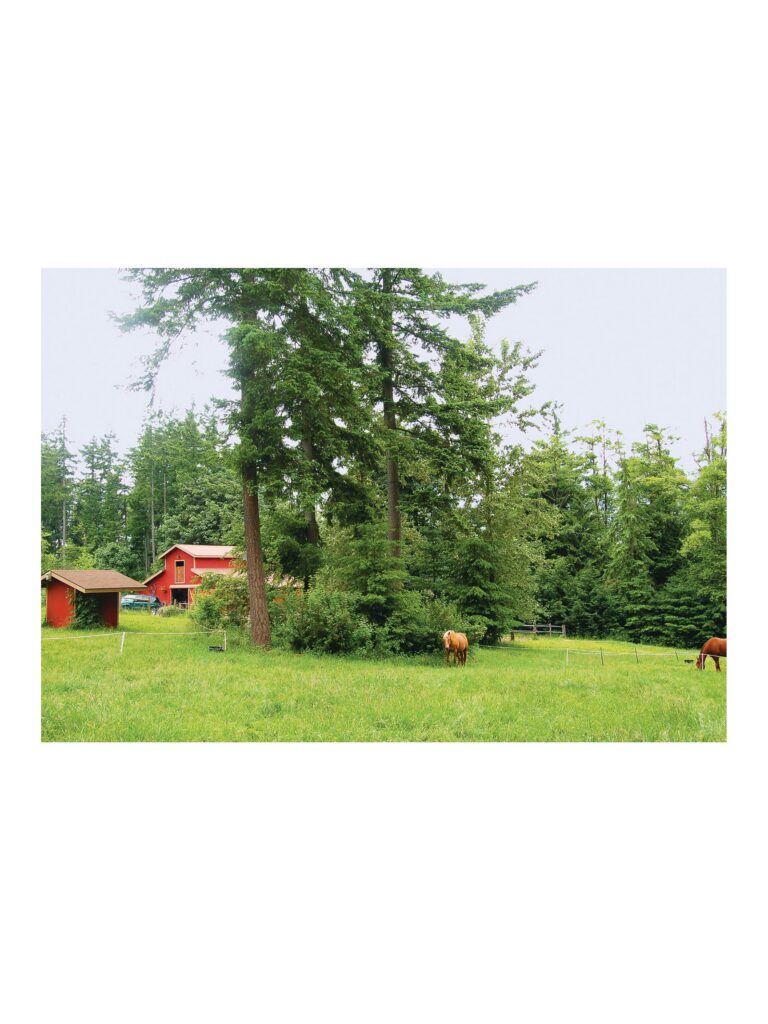
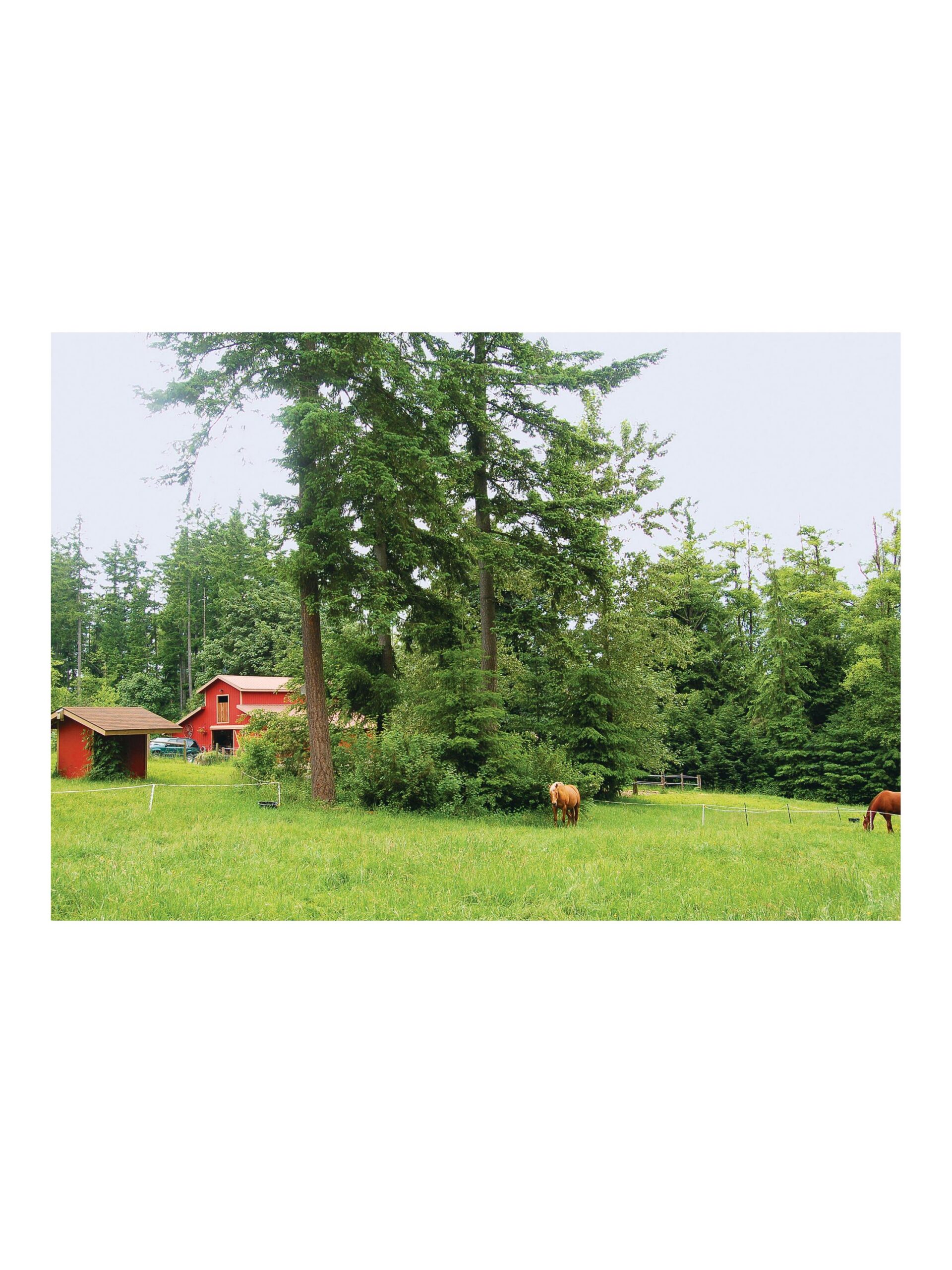
Protect Your Land Native trees and shrubs anchor topsoil against wind and rain, keeping your pasture land healthy and productive. Around ponds, streams, or wetlands, they act as a natural filter — catching nutrients from manure runoff before they reach the water. Strategically placed deciduous trees also provide welcome shade over barns and paddocks in summer, while letting warming sunlight through in winter once the leaves drop.
Put Wildlife to Work This is where it gets fun. A single swallow can consume thousands of insects per day, and barn swallows, bluebirds, and purple martins are common visitors to horse properties across the country. Attract them by putting out tufts of horse hair for nesting material and installing species-specific nest boxes. Bats are equally impressive — one bat can devour hundreds of mosquitoes in a single hour. A bat house mounted on your barn or a nearby pole can help establish a colony, though it may take a year or two for them to find it. For rodent control, encourage owls, hawks, and falcons by preserving large trees that give these predators a place to roost and nest.
A Few Things to Keep in Mind Plant trees outside of paddocks and pastures to protect them from curious horses. Any trees within reach should be fenced off at least to the tips of their branches. Check with your local extension office or conservation district for plant recommendations specific to your soil and climate.
Going native isn’t just good for the environment — it’s smart horse property management.