Summer is high fire season. Here’s how to minimize risk, prepare to evacuate, and react safely if a wildfire strikes.
By Rebecca (Gimenez) Husted, PhD
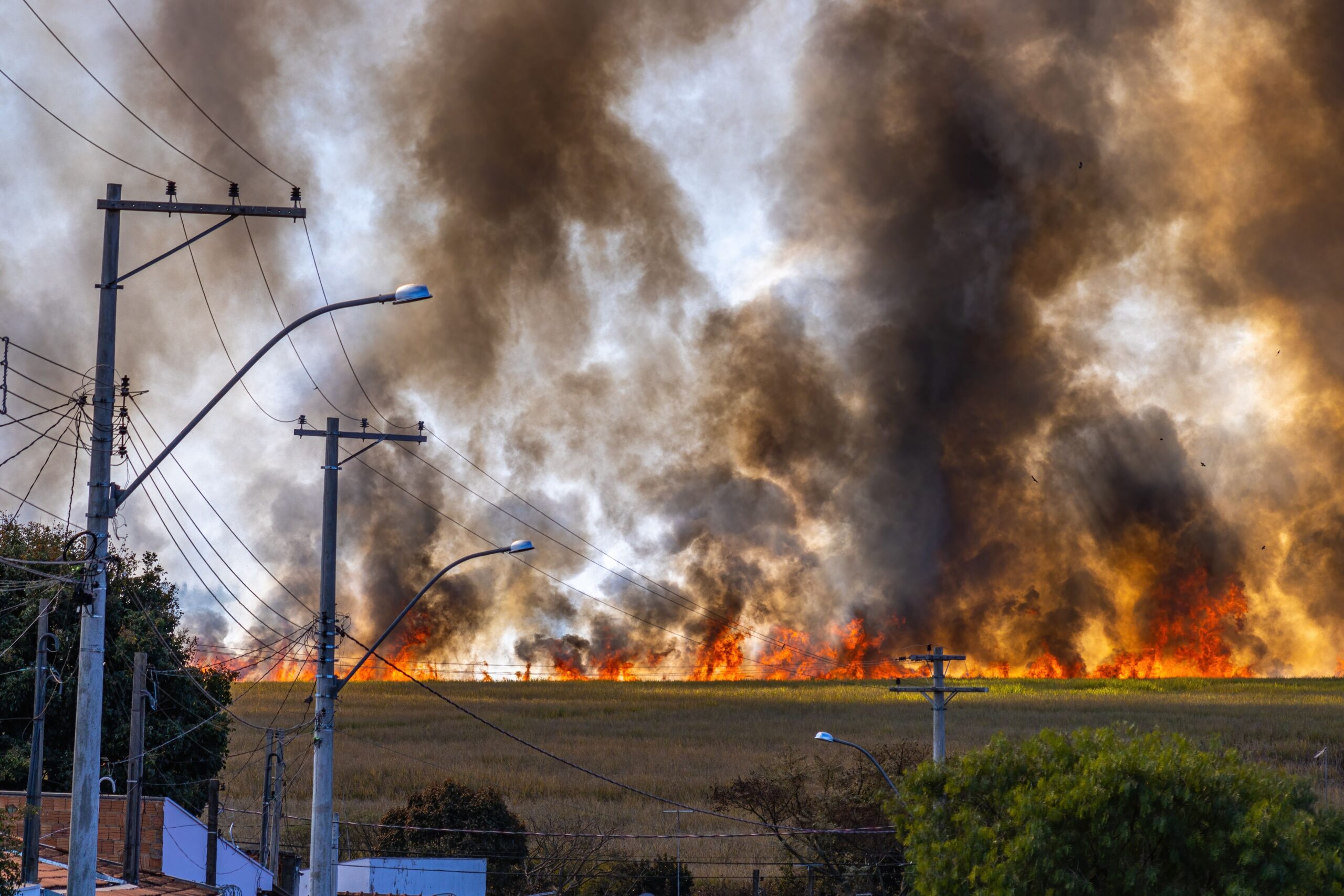
A wildfire threatening your barn can mean an evacuation order — and a lifesaving trailer trip for your horse — with little warning. If you live in a fire-prone area, here’s how to reduce risk ahead of time, get ready to evacuate, and stay safe if the worst happens.
Minimize the risk
Ask your insurer or local fire department to walk your property and flag hazards. Create at least 33 yards of defensible space around structures, install open ventilation and frost-free hydrants, and consider a fireproof roof. Store hay and bedding separately, keep the barn clean and cobweb-free, enforce a no-smoking policy, and landscape with drought-tolerant, Firewise plants instead of flammable mulch. An automated sprinkler system can also cut insurance premiums by as much as 50 percent.
Prepare to evacuate
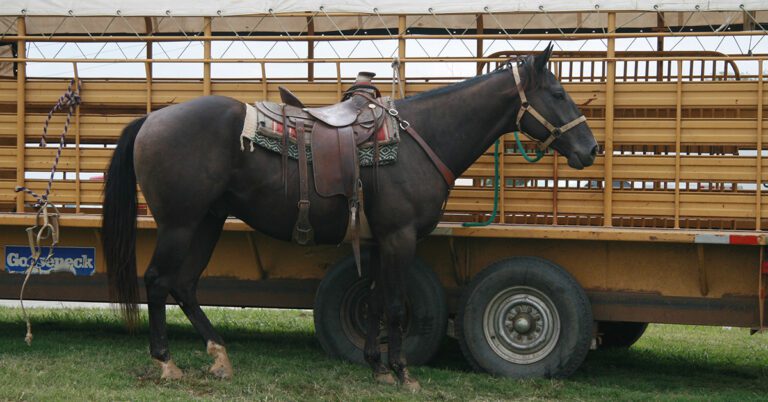
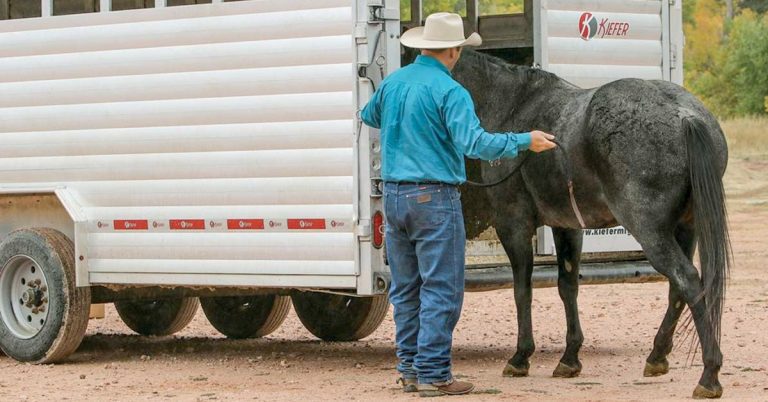
Train every horse on the property to load calmly — hot, rainy, or dark — since a real evacuation won’t wait for ideal conditions. Identify an out-of-state boarding option in addition to a local one, and keep your truck fueled and hitched so you can leave within minutes. Map more than one escape route in case roads are closed, choose a meeting point in advance, and run surprise practice drills that include catching and loading every horse.
React safely
It’s often the toxic smoke, not the visible flames, that forces an evacuation, and windblown cinders can ignite fires far ahead of the fire front. If you have to evacuate, skip synthetic halters, lead ropes, and tack — nylon and plastic can melt and cause burns — and pack several days of water and forage per horse. Microchip horses in advance and attach a luggage tag with contact information to each halter. If you can’t get out in time, don’t leave your horse in the barn; move him to a pasture cleared of combustible vegetation instead. Afterward, have a veterinarian check for smoke-related airway damage, even if your horse seems fine at first — symptoms can appear days later.
Adapted from the Summer 2026 issue of USRider’s Equestrian Traveler’s Companion.