
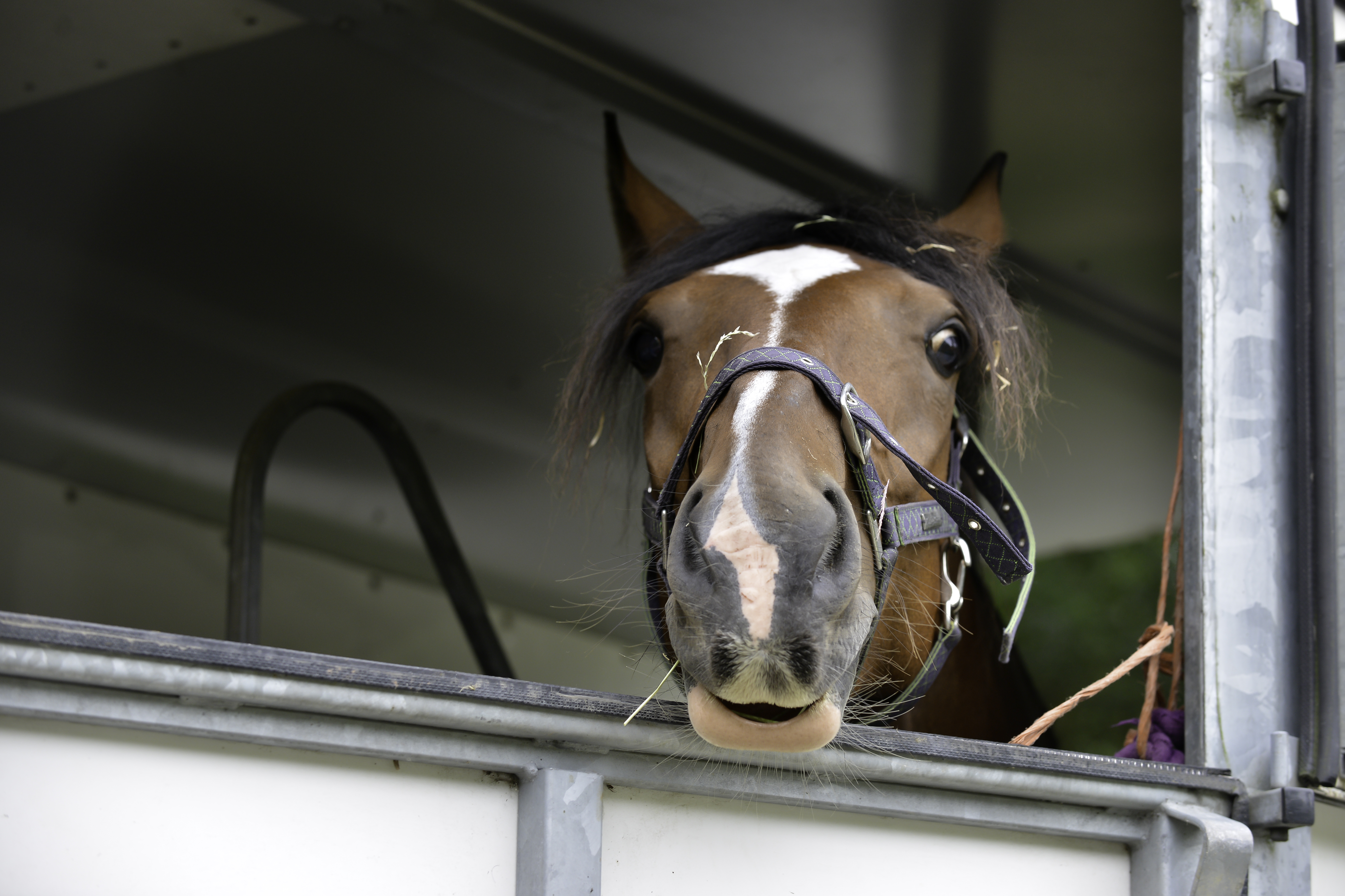
A comprehensive horse trailer maintenance plan involves regular checks before each trip, monthly inspections, and a full annual service. This schedule ensures safety, longevity, and a comfortable experience for your horses.
Before Each Trip (Every Haul)
Perform these quick safety checks every time you hitch up:
Tires and Wheels: Check tire pressure with a gauge, inspect for cracks or bulges, and ensure all lug nuts are tightened to the manufacturer’s specifications. Don’t forget the spare tire.
Hitch and Coupler: Verify the coupler is securely seated on the hitch ball and locked in place with a pin.
Safety Chains: Ensure safety chains are crossed under the tongue and attached securely to the tow vehicle frame, not the bumper. The breakaway cable should be attached to a separate point on the vehicle.
Lights and Electrical: Test all lights (brake, tail, turn signals, marker, and interior) and the electric brake connection.
Brakes: Roll forward slightly and use the manual brake controller to confirm the brakes engage and “grab” correctly.
Interior: Remove all manure and debris from the floor, check for any protruding screws or bolts, and ensure dividers, doors, and gates latch securely.
Safety Equipment: Confirm emergency equipment (jack, lug wrench, wheel chocks, reflective triangles/flares, and a working flashlight) is present and in good condition.
Monthly Maintenance
Set aside time each month for a more thorough inspection and routine care:
Lubrication: Grease all hinges, latches, ramp springs, and the jack to prevent rust and ensure smooth operation.
Breakaway System: Inspect the breakaway battery, wiring, and switch, replacing the battery if needed.
Tire Inspection: Conduct a detailed inspection of tires for even wear and signs of dry rot, rotating them every 5,000 miles or so.
Washing: Wash the exterior and undercarriage to remove road salt, dirt, and debris that can cause corrosion.
Annual Maintenance
At least once a year, perform a comprehensive inspection, or have a professional conduct a full service. This can often be done in conjunction with bearing repacking (typically every 12 months or 12,000 miles):
Wheel Bearings: The wheels should be pulled, and the bearings checked, cleaned, and repacked with grease; replace seals as needed.
Brake System: Inspect brake pads, drums, and hydraulic lines for wear and tear.
Flooring: Remove all mats and conduct a thorough inspection of the floorboards (wood or aluminum) for signs of rot, corrosion, or weak spots. Allow the floor to dry completely after cleaning to extend its life.
Structural Integrity: Inspect the frame, suspension components (leaf springs, shackles), welds, and joints for any cracks, rust, or damage.
Roof Seals: Check the roof seams and sealant around vents/windows for cracks or leaks and reseal as needed to prevent water damage.
Electrical System: Inspect the entire electrical system, including wiring and connectors, for damage or corrosion.
Ventilation: Clean all windows and roof vents to ensure proper airflow.